Visitas e oficinas nas Cidades de Zaña e Capote - Peru -2013
Visit and workshop at Peruvian cities of Zaña and Capote in 2013
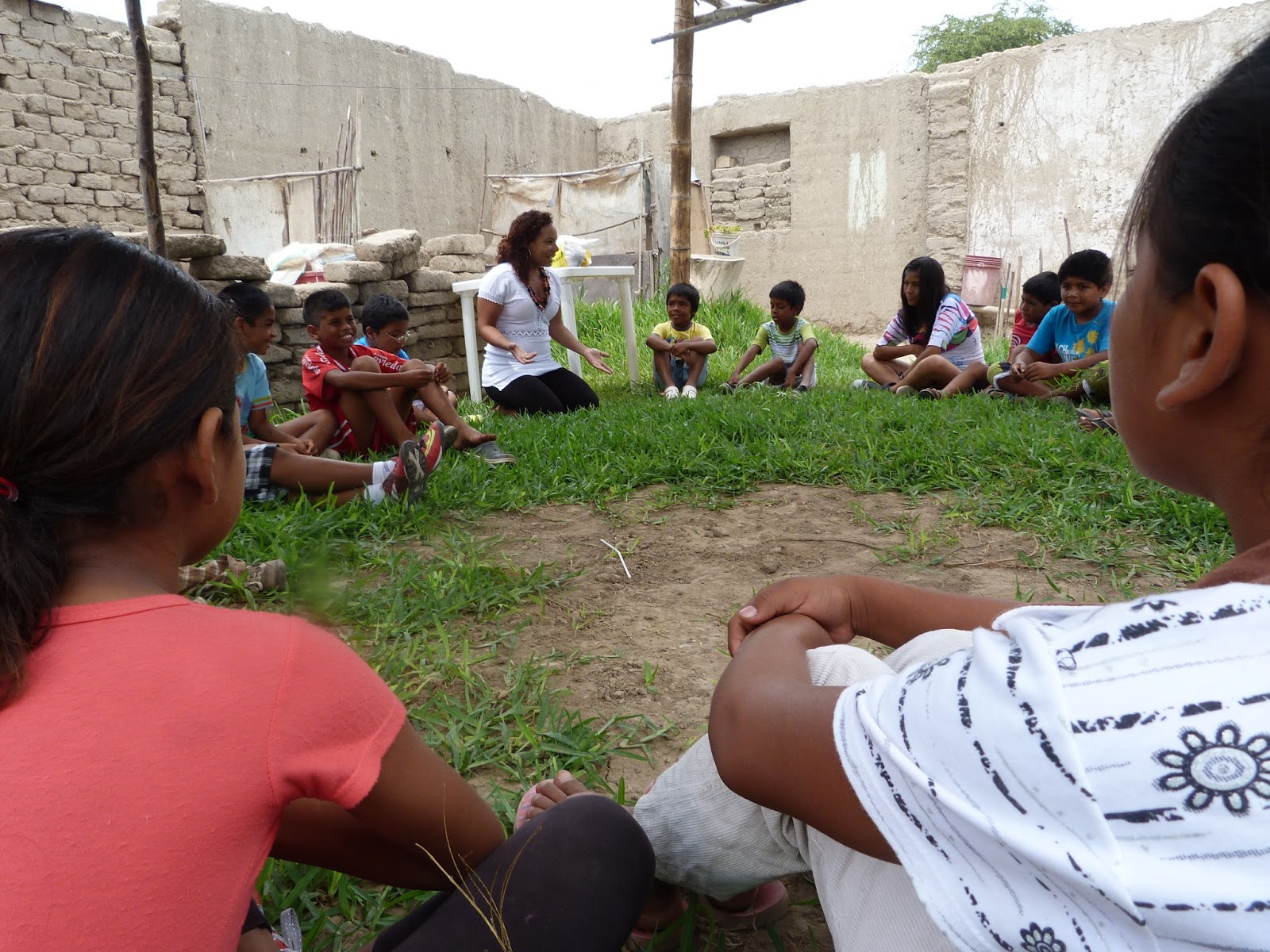
No mês de fevereiro de 2013, dando continuidade ao projeto de intercâmbio cultural com o Peru, Gabriela Watson e Danielle Almeida fizeram outra viagem ao país andino, desta vez, os objetivos eram realizar oficinas em duas comunidades ao norte do país: a cidade de Zaña, visitada previamente por Gabriela em 2008 e o povoado de Capote, ambos ficam no departamento de Lambayeque, o segundo objetivo era divulgado o documentário realizado por ambas "Nosotros, afroperuanos", gravado em 2011. As oficinas foram parte do projeto Palenque Infantil, realizado pela ONG Cedet - Centro de Desarrolo Etnico, focado em crianças e pré-adolescentes com o objetivo de fortalecer o conceito de identidade negra, comunidade e auto-estima. As oficinas contaram com a introdução de conceitos, palavras e história da população negra nas Américas a partir de músicas e jogos desenvolvidos por Danielle Almeida e pela exibição do documentário "Nosotros, afroperuanos". Momento muito gratificante. Seguem fotos da cidade e das atividades.
English Version:
In February of 2013, continuing the project of cultural exchange with Peru, Gabriela Watson and Danielle Almeida made another trip to the Andean country, this time, the objectives were hold workshops in two communities north of the country: the city of Zaña , previously visited by Gabriela in 2008 and the town of Capote, both are in the department of Lambayeque, the second goal was released the documentary made by both "Nosotros, afroperuanos" recorded in 2011. The workshops were part of the project Palenque Infantil, conducted by NGO CEDET - Centro de Desarrollo Etnico, focused on children and pre-adolescents with the goal of strengthening the concept of black identity, community and self-esteem. The workshop counted with the introduction of concepts, words and history of black people in the Americas from music and games developed by Danielle Almeida and the screening of the documentary "Nosotros, afroperuanos". It was a great momento. Here are photos of the city and the activities.
quarta-feira, 31 de julho de 2013
quarta-feira, 24 de abril de 2013
Palestra "Mulher negra e mídia" - Centro Cultural Helena Portugal
A convite de Roberta Melo, assistente de direção do Centro Cultural Helena Portugal, eu e o cineasta Renato Candido de Lima realizamos uma palestra para os jovens sobre “Mulher negra e Mídia”.
O Centro Cultural fica no bairro Jardim Filhos da Terra, no Jaçanã.
Começamos a atividade mostrando e analisando algumas propagandas impressas que traziam representações de mulheres negras. Depois discutimos com os jovens sobre a presença dos estereótipos negros na mídia, principalmente nas novelas e propagandas brasileiras.
Comprovamos o quanto a novela está presente no cotidiano dos jovens e de suas famílias e infelizmente, que a representação dos negros ainda está atrelada a estereótipos racistas. O principal objetivo era despertar o censo crítico dos jovens com relação a imagem que lhes está sendo oferecida pela mídia. Para mim foi um importante momento de troca e interação!
Agradeço à querida amiga Roberta Melo e a Jade, que é coordenadora do CCHP, ambas trabalham arduamente para que as crianças e adolescentes do bairro localizado na periferia de São Paulo tenham acesso a cultura e educação. Parabéns pelo trabalho!
A atividade foi feita em dezembro de 2012.
Ensligh Version:
After the invitation of Roberta Melo, assistant director of the Cultural Center Helena Portugal, filmmaker Renato Candido Lima and I held a lecture to young people about "black woman and Media."
The Cultural Center is located in the District Filhos da Terra, in Jacana.
We started the activity analyzing some ads that bore representations of black women. After that we discussed with young people about the presence of black stereotypes in the media, especially in Brazilian soap operas and advertisements.
We realizes how much the novel is present in the daily lives of young people and their families, and unfortunately, that the representation of blacks is still tied to racist stereotypes. The main goal was to awaken the critical census of the youth about the image that is being offered to them by the media. For me it was an important moment of exchange and interaction!
I thank my dear friend Roberta Melo and Jade, who is coordinator of the CCHP, both work hard for children and adolescents in the neighborhood located on the outskirts of Sao Paulo have access to culture and education. Congratulations for the work!
The activity was made in December 2012.
Ensligh Version:
After the invitation of Roberta Melo, assistant director of the Cultural Center Helena Portugal, filmmaker Renato Candido Lima and I held a lecture to young people about "black woman and Media."
The Cultural Center is located in the District Filhos da Terra, in Jacana.
We started the activity analyzing some ads that bore representations of black women. After that we discussed with young people about the presence of black stereotypes in the media, especially in Brazilian soap operas and advertisements.
We realizes how much the novel is present in the daily lives of young people and their families, and unfortunately, that the representation of blacks is still tied to racist stereotypes. The main goal was to awaken the critical census of the youth about the image that is being offered to them by the media. For me it was an important moment of exchange and interaction!
I thank my dear friend Roberta Melo and Jade, who is coordinator of the CCHP, both work hard for children and adolescents in the neighborhood located on the outskirts of Sao Paulo have access to culture and education. Congratulations for the work!
The activity was made in December 2012.
![]() |
| Roberta iniciando a atividade |
![]() |
| Renato e Gabriela na apresentação |
![]() |
| Análise de propaganda! |
| Renato e Gabriela e a turma de jovens |
| Vista do Centro Cultura - bairro Jardim filhos da Terra |
| O Centro Cultural que é um espaço muito bonito! |
Nosotros, afroperuanos estréia no Encontro de Cinema Negro
6º Encontro de Cinema Negro: Brasil, África e Caribe
Organizado pelo diretor e ator: Zózimo Bulbul
no Cine Odeon - Novembro 2012
6th Meeting of Black Cinema: Brazil, Africa and the Caribbean
Organized by the director and actor: Zozimo Bulbul
Cine Odeon - November 2012
6th Meeting of Black Cinema: Brazil, Africa and the Caribbean
Organized by the director and actor: Zozimo Bulbul
Cine Odeon - November 2012
Estreia do documentário "Nosotros, afroperuanos"
Direção: Gabriela Watson e Danielle Almeida
Rio de Janeiro´s Premiere of the documentary "Nosotros, afroperuanos"
Director: Gabriela Watson and Danielle Almeida
Rio de Janeiro´s Premiere of the documentary "Nosotros, afroperuanos"
Director: Gabriela Watson and Danielle Almeida
O Encontro de Cinema Negro, Brasil, Africa e Caribe é o único encontro nacional que reúne cineastas negros e com produções relacionadas a negritude, da África, dos países americanos, como Estados Unidos, Cuba e Caribe, além do Brasil. A importância desde festival ainda não foi devidamente apropriada. Em 2013, o Encontro teve sua 6 ª Edição e eu tive a benção para que o documentário "Nosotros, afroperuanos" fosse selecionado, tendo assim sua estreia em terras cariocas no famoso Cine Odeon, no mesmo cinema onde ocorre o Festival de Cinema do Rio, que é amplamente difundido na mídia, ao contrário do que ocorre com o Encontro de Cinema Negro.
Críticas a parte, este foi o último Encontro organizado pelo grande ator e diretor Zózimo Bulbul, pois ele veio a falecer em janeiro deste ano, 2013.
English Version:
6th Meeting of Black Cinema: Brazil, Africa and the Caribbean is the only national festival that brings together filmmakers and productions related black blackness, African, American countries, like the United States, Cuba and the Caribbean, as well as Brazil. The importance os this festival is yet to be appropriate. In 2013, the Meeting had its 6th edition and I had the blessed with the selection of "Nosotros, afroperuanos", thus having its premiere in Rio lands in the famous Cine Odeon in the same theater where the Rio Film Festival takes place in Rio which is widespread in the media, on contrary to what occurs with the Meeting of Black Cinema. Criticisms aside, this was the last meeting organized by the great actor and director Zozimo Bulbul, because he died in January, 2013.

Zózimo foi famoso por atuar em novelas, sendo o primeiro negro protagonista negro de uma novela, e também de filmes incluindo produções do Cinema Novo, ganhou destaque como ator, manequim, posteriormente passou a realizar suas próprias produções audiovisuais, como diretor, produções estas, relacionadas a questões da realidade afro-brasileira. Como muitos artistas brasileiros, teve mais reconhecimento no exterior do que aqui no Brasil.
Zozimo was famous for acting in telenovelas, he was the first black protagonist of publicity and novels, as well as film productions including the "New Cinema/ Cinema Novo Period", he gained prominence as an actor, mannequin, later came to realize their own audiovisual productions as director, these productions are about issues related to the african-Brazilian reality. Like many Brazilian artists had more recognition abroad than here in Brazil.
Curador e organizador: Zózimo Bulbul
Muito obrigada, mestre!
Curator and organizer: Zozimo Bulbul
Thank you, master!
Curator and organizer: Zozimo Bulbul
Thank you, master!
![]() |
| Zozimo dando entrevista |
![]() |
| Zozimo foi entrevistado pelo cineasta americano Spike Lee |
![]() |
| Cineastas |
Well, back to the subject of the meeting of Black Cinema, I had a unique opportunity to meet and talk with filmmakers of the African Diaspora. I met filmmakers from Burkina Faso, Guadeloupe, Cuba and Cape Verde, as well as other Brazilian filmmakers. This interaction was extremely important to understand that we are all seeking our identity. We are all looking to express ourselves through audiovisual and often wanting to answer the same questions and concerns. Who are we? What is the impact of African descent in my and our lives? These and other concerns turns us in mirrors to each other. I stayed for days reflecting on the contact with these filmmakers and their works.
Nessa edição tive o prazer de estar presente na exibição do documentário do meu amigo e parceiro Akins Kinte, "Zeca, o poeta da Casa Verde", do qual fiz a produção, além do documentário que dirigi "Nosotros, Afroperuanos". Nosotros foi bem recebido pelo público, aproximaram-se estudantes, ativistas e professores que me perguntam sobre a possibilidade de levar o documentário para ongs e salas de aula. Então este ano de 2013 estou articulando para ver se conseguimos mais este passo.In this edition I had the pleasure to attend the screening of the documentary my friend and partner Akins Kinte, "Zeca, the poet of the Green House", which I produced also.
We, Afro-Peruvians was well received by the audience, approached students, activists and teachers who ask me about the possibility of bringing the documentary to NGOs and classrooms. So this year 2013 I am organizing to see if we can over this step.
![]() |
| Cineasta cubano Rigoberto Lopez |
![]() |
| Mesa de discussão dos cineastas |
![]() |
| Mesa de discussão das cineastas |
![]() |
| Gabriela apresentando o documentário antes da exibição |

![]() |
| Gabriela com a cineasta Suzane Kourouma |
![]() |
| Gabriela, Akins Kinte e Cecilia |
terça-feira, 16 de abril de 2013
Palestra e Performance em terminais da Transpetro
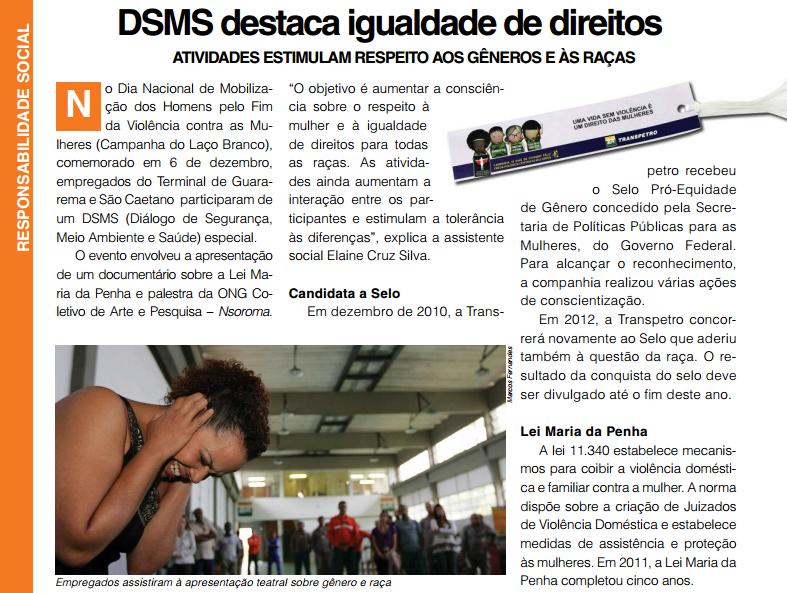
Como parte das atividades realizadas, pela Transpetro/Petrobras, durante a Campanha do Laço Branco, em virtude do dia da Mobilização dos Homens pelo Fim da Violência contra as mulheres, fomos convidadas, Danielle Almeida e eu, a proferir duas palestras em dois Terminais da Petrobrás, São Caetano do Sul e Guararema.
O convite foi feito pela assistente social Veronica Vassalo, uma das responsáveis pelos DSMS (Diálogo de Segurança Meio Ambiente e Saúde), que são apresentações feitas periodicamente em todos os terminais da Transpetro, destinadas aos seus funcionários.
A partir do tema “Realidade
Étnico-racial no Brasil e na América Latina”, abordamos temas que relacionam a América Latina e questões etnicorraciais, exibimos o trailer do documentário que produzimos: "Nosotros, afroperuanos" e Danielle Almeida fez uma performance acompanhada de projeções de imagens.
As atividades foram feitas aos funcionários da Transpetro, dentro do seu ambiente de trabalho, na copa antes do café da manhã e no saguão, o que nos pareceu uma ótima experiência por poder apresentar questões importantes presentes no dia-a-dia, de forma pontual para que sejam refletidas ao longo de mais uma jornada de trabalho.
Abaixo algumas fotos das atividades:
Saguão do Terminal de Guararema/ Transpetro
![]() |
| Jornal Institucional da Transpetro/Petrobras |
| Gabriela e Danielle com os funcionários da Transpetro Copa do Terminal de São Caetano do Sul - Transpetro |
Assinar:
Comentários (Atom)